

Diary of a Melancholy Marketer: entry #4
Did your mom ever carry around a planner? Do you have memories of her flipping to an empty page to write down a phone number? Or maybe she kept a Ziplock bag full of receipts in her purse and would grab a crumbled one to jot down an address?
I have vivid memories of my dad grabbing a paper plate to write out a formula when I’d ask him a homework question. In a particularly desperate moment, he’d tear off the corner of a takeout bag to make sure he wouldn’t forget whatever had popped into his head. His bathroom mirror is still peppered with Post-It notes from his shower thoughts.
Throughout my collegiate career, my teachers and professors encouraged us to write in the margins of our books. Yes, to label a passage “man vs. nature” or “light vs. dark,” but also to scribble how the text made us feel the first time we read it.
And y’all know how I feel about a legal pad.

All of these are examples of chicken scratch, which by definition is “writing that is messy and difficult to read.” Usually it’s reserved for half-baked thoughts written on a discarded piece of paper in haste or smudgey reminders inked on your hand of something that you keep forgetting to do.
The ecosystem for chicken scratch is shrinking
Receipts are emailed to your inbox. Appointment reminders are sent as texts. Post-it notes are replaced with online productivity boards, like Notion and Asana. Take-out menus stuck to your fridge are substituted for looking up dishes online. In the age of “hey Siri, remind me tomorrow to…” and the notes app, real estate for chicken scratch has shrunk.
There are many, many, many studies showing that physically writing things down helps you retain information better. Chicken scratch may be inherently illegible by nature, but you’re still putting pen to surface. Sure, you may not be able to read the sentence you wrote perfectly, but it’s stickier in your brain than a reminder alert captioned “play toilet bowl” when it should say “pay toll bill.”
Chicken scratch can help heal the “lizard brain”
Now, diva, I’m not saying to completely ditch your notes or reminders app. What I am saying is that the average young person receives upwards of 200 notifications in a day and spends approximately 4.5 hours a day on their phone (myself included). There’s also early data suggesting that using AI has negative long-term effects on the brain’s ability to perform and learn.
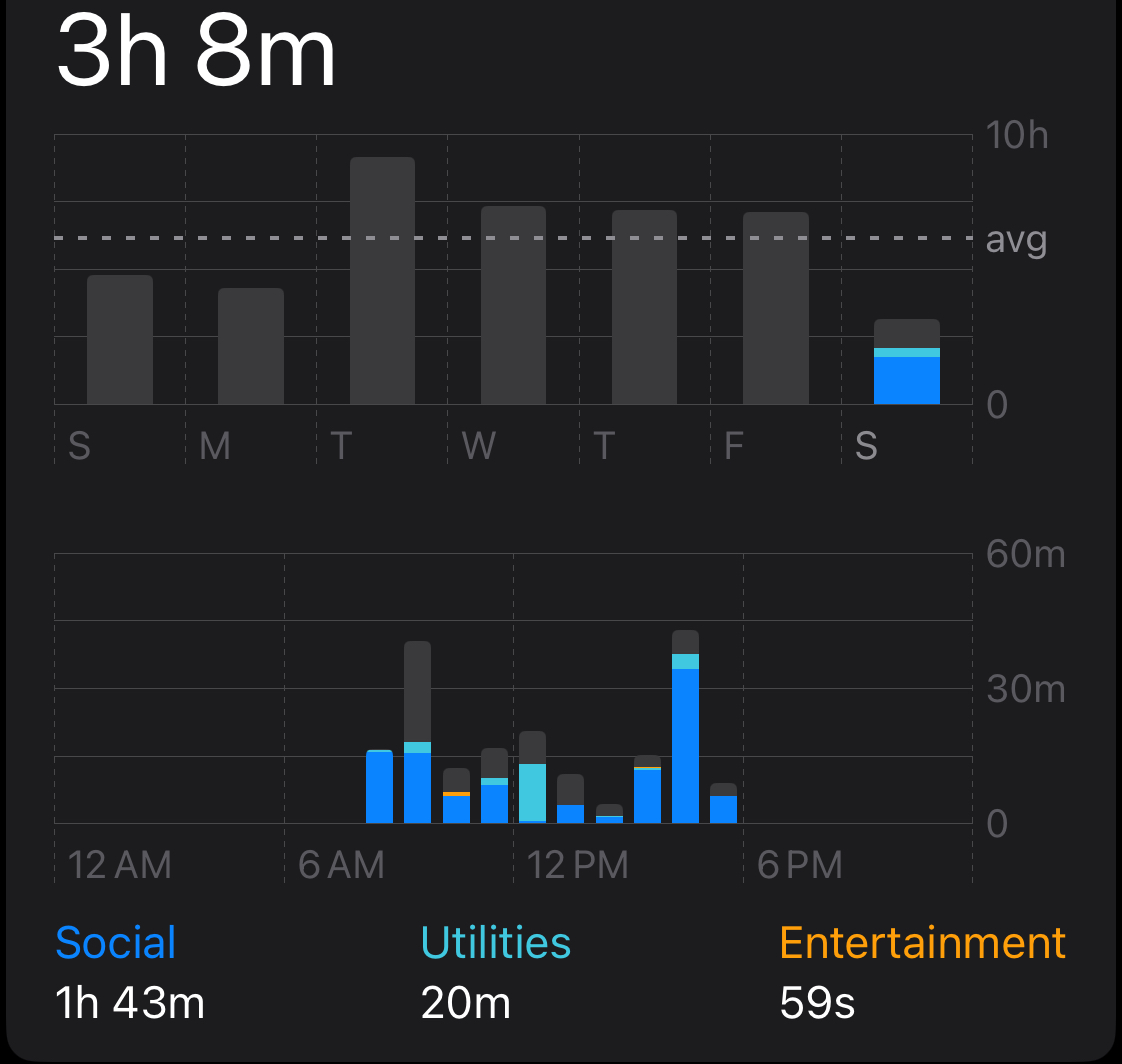
Take every opportunity you can to take your thoughts offline.
Lessen the temptation to type something on your phone, because maybe when you’re on your way to the notes app, your friend texts you about a happy hour deal this weekend. Then maybe, you click the link she sent and it takes you to an Instagram Reel, and all of a sudden, you’ve been scrolling for 30 minutes and forgotten what you wanted to write down. Never happened to you? Too niche? Just me?
Steps you can take to cultivate space for chicken scratch
Maybe it’s the teacher in me, but I can’t shake the habit of seeing every surface as a potential writing surface. When I was in the classroom, I’d leave reminders to call a parent in the margins of a lesson plan or explain fractions directly on a kid’s desk with a dry-erase marker. I work from home now, but the theory still applies. Here are a few places you can leave paper for chicken scratch:
Keep a notebook or something small next to your bed. I use a Hobonichi Weeks and spend evenings writing a one-sentence summary of my day or jotting down the top three things I need to accomplish the next day.
Have a notepad in a high-traffic spot. For me, it’s on my kitchen counter next to the sink. For you, it could be the coffee table or on a side table next to the couch.
Opt in for printed receipts for low-stakes purchases. I do this when I buy a pastry at a coffee shop, order a cocktail when I’m out with the girls, or purchase groceries. They litter the bottom of my purse, but come in handy more often than you’d think!

Writing is writing is writing is writing
Chicken scratch doesn’t have to be a dying art. In fact, if you’re looking to improve your written craft, I encourage you to try. Often, the hardest part is getting started. By creating zones for you to write casually, your thoughts become a physical accountability system. You’re building the mindset that writing is accessible and strengthening your neural pathways. The more time you spend off a screen, the more opportunities you have to heal that lizard brain.
Think about it:
I’m going to experiment with a new closing section, titled a phrase my dad has said my entire life, along with an article I read this week that got me thinking. After all, Substack is a social platform, and if we want visibility, we have to give it too.
The following questions give you, diva, the opportunity to muse throughout the day:
Where’s one place in your home you can cultivate chicken scratch?
Is there a forgotten notepad or discarded journal you can use? Do you know where it is?
What’s one thing you’ve been meaning to write down, but haven’t?
If you feel so compelled, let me know your musing in the comments ❤ Because what’s the point of consuming if you’re not creating after the fact?
 Authored By Alyssa
Leave a comment