
why do we want to monetize the things we’re good at?
I’m a regular Substack consumer, although like the rest of Substack users, I am trying to decrease my screen time. I find myself increasingly overwhelmed with a laptop screen and have resorted to writing drafts of musings on legal notepads. This article is no exception.
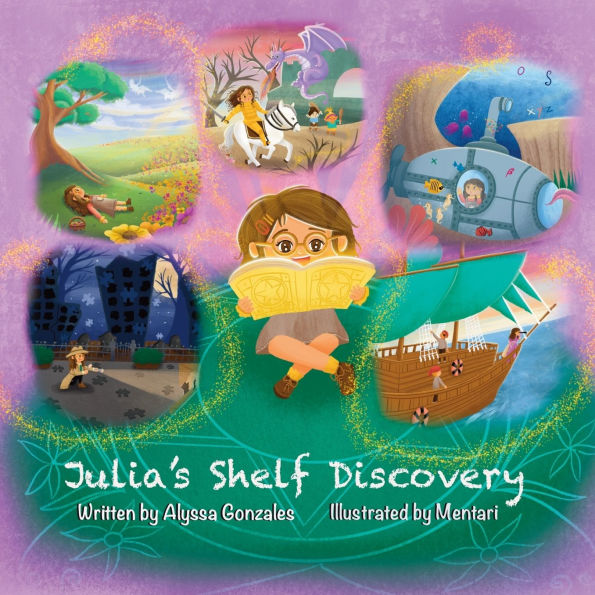
The only Substack article I’ve written to date was a very short and manic announcement that I self-published my first children’s rhyming novel. Julia’s Shelf Discovery, named after my little sister Julia, is about a little girl who travels through different worlds of literary genres and falls in love with all types of stories.
Speaking of—want to support an indie author and stock your favorite teacher’s classroom library just in time for back to school?
Now I know a very obvious promotion for my book seems counterintuitive, but I swear it’s not. That first article, which felt large and momentous, got exactly 10 views, 5 of which were from my mother, husband, and best friends.
Walk with me.
In my experience, two things happen when you tell someone that you’ve written/published a book:
Said person will tell you, in excruciating detail, about all the book ideas they’ve ever had but never acted on.
Proceed to ask you how much money you spent bringing your vision to life, and what your plan is to monetize this creation you birthed with your own mind.
I’ve watched the light leave people’s eyes when I tell them I didn’t have a plan for selling Julia’s Shelf Discovery, and in fact, did many of the steps to market my book backwards. Aghast, they would bring up in the next, final, and most irksome question:
“But you work in marketing, how do you not have a plan to sell your book?!”
Because! The book came to me in a dream! I wrote the first draft in less than two hours, and I was so overcome with the need to have it exist in the world in the same way that it existed in my head that nothing else mattered, as long as I could hold it in my hands.
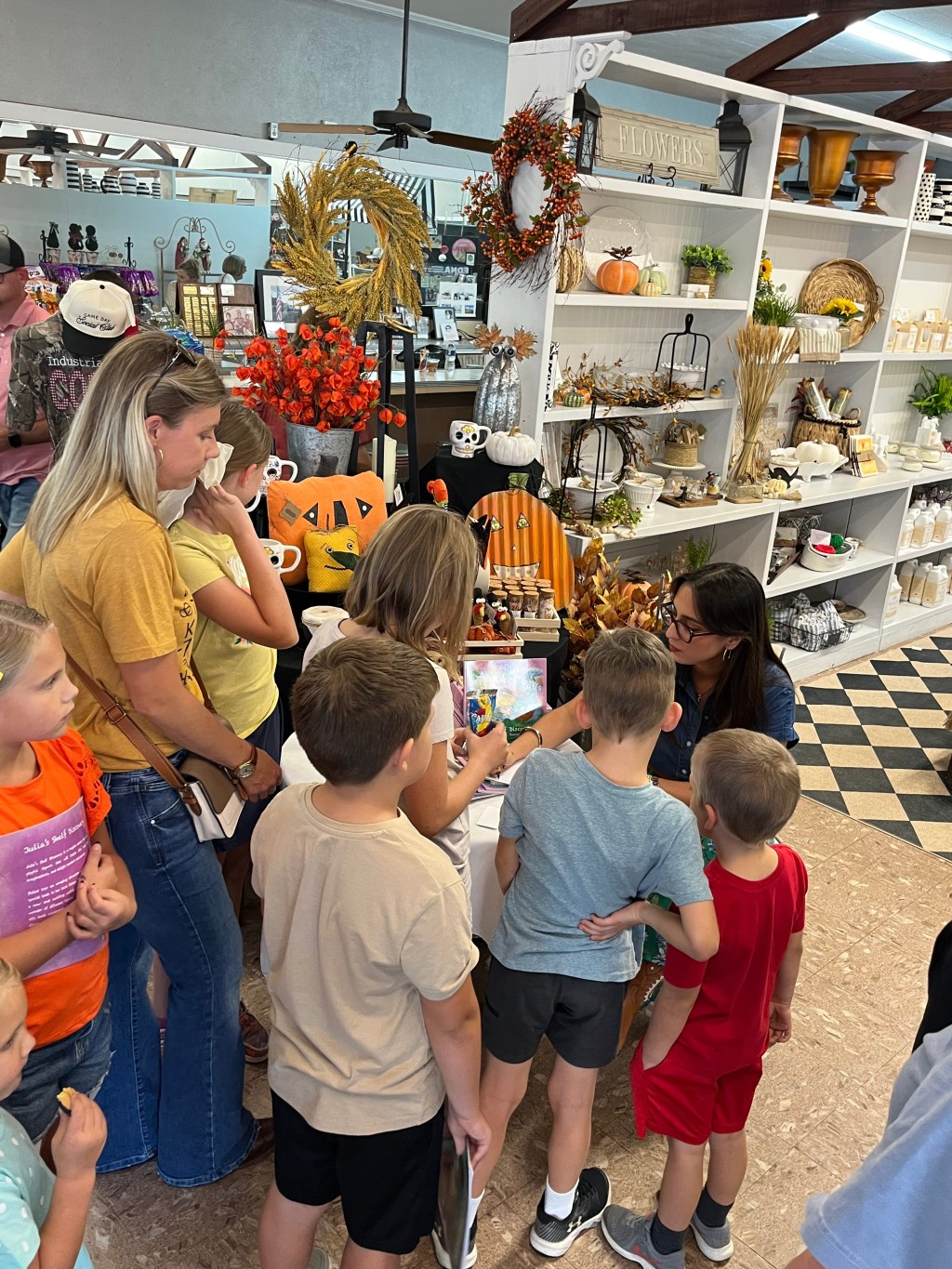
All the other details—creating a website, reaching out to bookstores, building a social media presence, scheduling read-alouds, and yes, making money—were afterthoughts. I didn’t set out to write a children’s book for monetary reasons; I wasn’t thinking about debuting on any best-sellers list (although Julia’s Shelf Discovery debuted as #1 in nursery rhymes on Amazon for a blissful nine days). I was thinking about writing a book for kids like my little sister who don’t believe reading is for them. And maybe, create a story that teachers could have fun reading aloud.
When did it become frowned upon to not want to make money off a creative endeavor? When did art only have legitimacy if it sold 10,000 copies in a month?
Although I’m an avid reader and work in marketing, I didn’t know what it meant to publish, sell, and promote a book when I was writing it. There’s no guide on how to find illustrators, buy ISBNs, or copyright your work. No one talks about how predatory print-on-demand services are and how they will try to get you to pay them upwards of $1,000 to publish your own work, but they own the selling rights. And there’s certainly nothing to prepare you for how small the profit margins are and how long KDP will make you wait to receive your royalties. There’s no Substack article I’ve come across explaining how snobby the publishing world is and how that trickles down to indie book stores and book festivals (more on that in my next essay), which makes it all the impossible for indie authors to sell anywhere else except on Amazon.
There’s something to say about the negative effects of overresearching and how that can hinder people from making art. I also think there’s something brave about blissfully stepping into the unknown.
I’d never felt a lightness quite like holding my book, with my name on it, in my hands. That moment wasn’t weighed down by profit margins and query goals. It was mine and mine alone.
Now that Julia’s Shelf Discovery has been out for a little over three months, I feel ready to fight for my spot in bookstores. I feel brave enough to dream of being on a best-sellers list and having a read-aloud tour in classrooms and libraries. And yes, I’d love to make money along the way—but I’m okay if I don’t.
As many people have shared with me, they’ve had ideas that were suffocated by expectations, logistics, and the burden of success. How many Substack articles, poetry collections, novels, and children’s books don’t exist because we are worried about breaking even? There’s no greater tragedy.
Be bold. Publish for yourself. And if you feel so compelled, buy a copy of Julia’s Shelf Discovery or support any indie author you know ❤
 Authored By Alyssa
Leave a comment